
How Do You Become a D/EMT Therapist
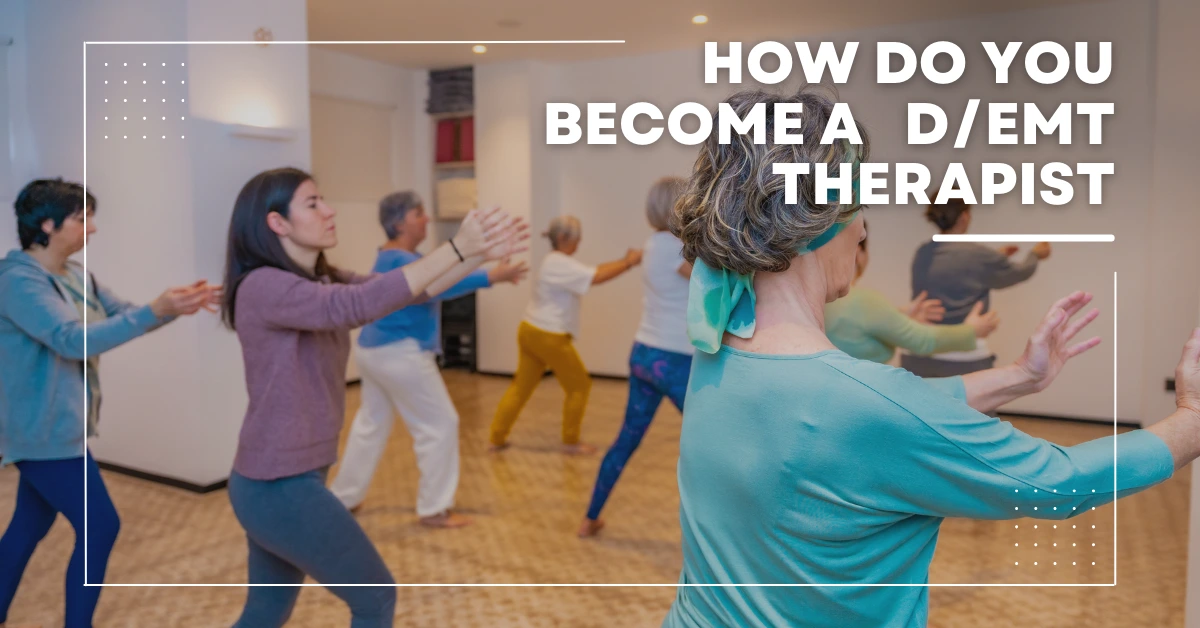
Dance/Expressive Movement Therapy (D/EMT) is a form of psychotherapy that heals human body through expressive arts like doodling, painting, music, storytelling, journaling, drama and poetry. With a belief in the statement that both body and mind are internally connected, this form of therapy uses movement not for performance but to heal body. Through expressive arts modalities, it allows patients to adopt holistic way to express emotions and cultivate resilience. Whether a patient wants to cope up with grief, anxiety, development delays, trauma, or chronic pain, D/EMT has a unique pathway to bring transformation and integration.
Core Principles and Therapeutic Foundations
At its core, dance/expressive movement therapy believes in somatic awareness and the power of non-verbal communication. Many times, it is difficult for people to express themselves in words, but they can raise their voices through their bodies. The mind’s cognitive defenses can be bypassed through movements to express deeper emotional truths. This therapy has its roots in psychodynamic principles, revealing how early childhood experiences, attachment styles, and unconscious patterns can transform your emotional feelings. This therapy regulates emotions, creates a sense of agency, and provides space for both interpersonal and personal healing.
Key concepts in D/EMT
Mirroring is the primary concept within D/EMT under which the therapist will reflect the movement of clients to promote empathy and connection. Through co-regulation, it is possible for neurological systems to connect with emotional equilibrium.
Here the concept of neuroception from Polyvagal Theory has its own significance—our body always keeps an eye on cues for danger or safety, often not known to our conscious mind. D/EMT works in the limit of the “tolerance window,” allowing clients to remain present, grounded, and safely handle emotional situations. By consistently exploring movements, clients can establish connection with their bodies, develop emotional literacy, and reclaim agency over their stories.
How D/EMT differs from regular dance
Usually, conventional dance practices focus more on skill development or choreography; D/EMT has nothing to do with aesthetics or techniques. The main aim is not to have a perfect form but to invoke the body authentically. A D/EMT usually has spontaneous movement, props usage, guided improvisation, or integration of journaling and drawing with movement. Verbal processing follows movement experiences for integration and insight. This practice is clinical and evidence-based, with its roots based in psychology, neuroscience, and trauma-informed care.
Key skills and qualities of a D/EMT therapist
Although this therapy involves movements, you are not supposed to be a professional dancer to choose this field. The thing that matters the most is your self-awareness, empathy, emotional intelligence, and commitment towards personal growth. D/EMT therapists need to follow reflective practice, regular supervision, and personal therapy. In this therapy it is important to establish non-judgmental spaces that are safe and can contribute to clients’ autonomy. Remaining aligned with your responses and triggers can help you to maintain therapeutic presence.
Educational pathways
To choose this profession, students firstly need to complete an undergraduate degree in this field, though social sciences and psychology can lay a robust foundation. You must pursue a postgraduate or master’s degree in dance/movement therapy and expressive arts therapy. For example, by taking admission to Sancheti Healthcare Academy in India, you can do either an MA or a PG diploma in Expressive Movement Therapy.
After completing your PG diploma in Dance Movement Therapy (DMT) from Sancheti Healthcare Academy, you can become a professional DMT practitioner. It allows professionals to work in NGOs, schools, geriatric centers, corporate wellness programs, and addiction recovery centers. By completing your master’s in this field you will be able to work with clinical populations like children with special needs and patients struggling with psychological conditions. The factor that can make you stand out from the rest is your ability to follow a movement-based approach and creativity.
Career Opportunities and Work Setting
After degree completion, students can work with various range of settings. This includes internal health centers, hospitals, seminaries, rehabilitation centers, etc. DMT professionals can also help children with special needs, elderly people in nursing homes, or patients suffering from chronic illness and physical disabilities. In India, D/EMT professionals can also work with NGOs, wellness spaces, and social justice initiatives. Being versatile in nature, professionals with this degree can work with various populations and settings.
With the increase in awareness and appreciation of expressive therapies, this field is enjoying a promising career.
Tips for aspiring D/EMT therapists
Students that want to make this field as a career have many ways to begin. The first step is they can join any professional organization that is into expressive arts or movement therapy. In India, by joining institute like Sancheti Healthcare Academy (SHA) you can avail training programs and can host national conferences. Through these events you will not only get knowledge, but can avail the opportunity to meet senior practitioners of this field. By becoming a part of workshop, you can know the scope of work, to deepen your practice and clarify your interest.
Establishing communication with your peers and mentors is an important part of this degree. Being a relational field, you will learn a lot about this field through embodied presence, witnessing, and dialogue. SHA’s yearly workshops and conferences bring a wide community of therapists, students, and teachers from all over the country and the world. Learning together with them also increases the feeling of togetherness and a common goal.
Also, in this field it is crucial to have your own movement practice. This will not only help in your well-being but will improve your capacity to hold space for others. You can journal about your movement experience, track emotional responses, and reflect on somatic shifts to promote inner listening needed for therapeutic work.
Conclusion
While pursuing a career in D/EMT, you can enter into a role that is both clinical and creative. Learn how to witness, hold, and move with—not for—others. This career involves deep personal work. Learn how to sit with discomfort, embrace vulnerability, and make it a strength.
In today’s world, where trauma and disconnection are a part of the lives of many people, D/EMT is here to offer wholeness. It brings our minds back to bodies, relationships, and healing possibilities. Choosing a career in D/EMT is not only about a profession—instead, you will follow a path of embodied empathy, transformation, and creativity.
Tags:Creative Arts Therapy D/EMT Courses Dance Therapist Career Dance Therapy Expressive Movement Therapy sancheti healthcare academy Therapy Through Movement