
Combining Art and Science: What You Learn in SHA’s PGDMT Program
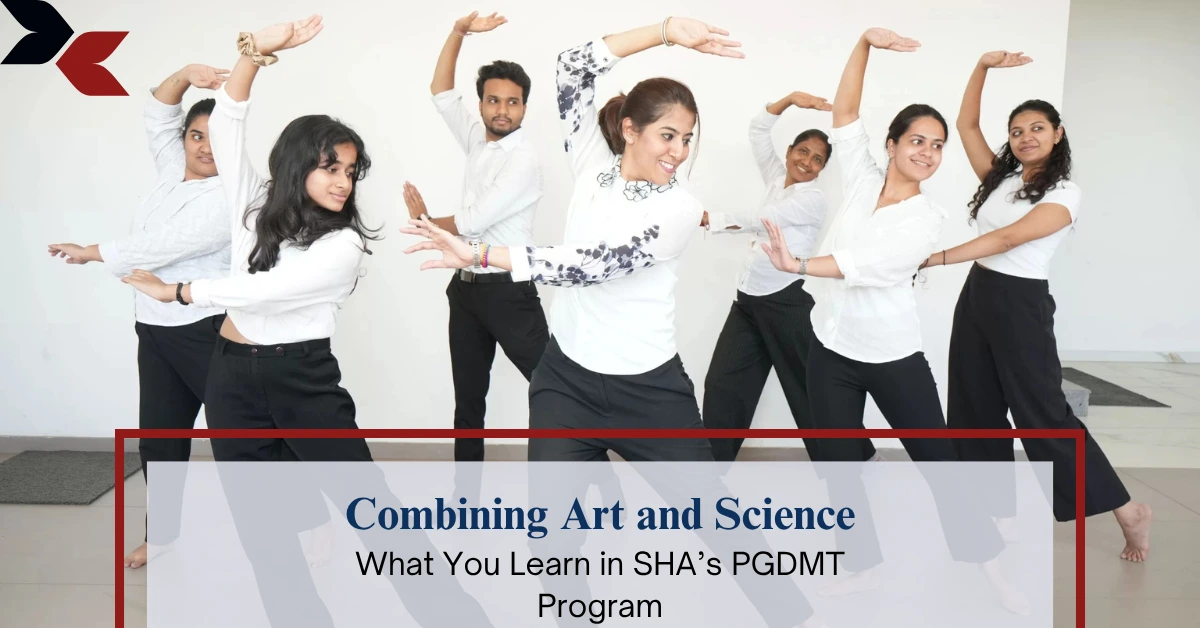
Dance Movement Therapy (DMT) is a psychotherapeutic practice that blends both science and artistry. Currently many students are pursuing PG in Dance Movement Therapy from SHA to attain perfection in it. Below are some concepts which you will learn from this institute and why this expressive movement matters a lot.
The Roots and Purpose of Dance Movement Therapy
Dance Movement Therapy has its origin rooted to World War II, when dance classes are conducted to heal injured soldiers from PTSD. Marian Chance firstly discovered that our body movements are deeply connected with emotional, physical and cognitive healing.
At SHA, we are continuing this legacy through our PG in Dance Movement Therapy program. In 400 hours of training program, students gain knowledge about global therapeutic traditions combined with rich dance heritage of India. This helps students to learn how expressive movements can work as a language to heal body.
Movement as language and holistic integration
In DMT, movement is considered as a non-verbal language- the first language which human used to communicate before speech development. Through this body language, people can express things that words can’t showcase.
This therapy interconnects mind, body and spirit, as a change in even one aspect can impact our body. SHA’s curriculum trains students on how to observe, assess and support this comprehensive integration at various stages i.e. emotional, physical, cognitive and social.
Blending Artistry with Evidence-Based Practice
Even if the roots of dance therapy lie in the arts, SHA’s programs also emphasize on blending clinical and scientific knowledge with this program. Dance is combined with neuroscience, psychotherapy, trauma-informed care and expressive arts like drawing, journaling and storytelling.
At SHA, through PG in Dance Movement Therapy students will be trained on therapeutic tools that cover:
- Mirroring: The therapist will follow the client’s movements- to promote co-regulation and empathy.
- Neuroception and the window of tolerance: In this clients learn to stay grounded and control emotions in therapeutic movement spaces.
Training Structure: Practical, Reflective, and Cultural
The SHA PGC-DMT conducts 400 hours of streamlined training that covers, theory, practice, embodied work and self-reflection: It covers:
- Movement sessions
- Journaling and reflective writing
- Group and individual therapy practice
- Cultural dance form combined with clinical aspects.
Any graduate can apply for this course, and thus anyone can learn this expressive therapy even those who are from non-psychology background.
Core Learning Outcomes
After completion of this course and getting Dance Movement Therapy Certification, students will be able to:
- Identify movement patterns as psychosomatic and emotional signals.
- Come up with therapeutic movement interventions for both groups and individuals.
- Combine academic learning with trauma, and expressive arts.
- Addressing self embodied triggers and responses- to ensure therapeutic presence.
- Maintaining safe, ethical and inclusive spaces for patients of various backgrounds.
Students also develop self-awareness, intelligence and empathy. Aspects that is mandatory to master DMT practice.
Versatile Career Pathways
SHA’s PGDMT Dance Movement Therapy course opens wide opportunities in multiple fields:
- Wellness, rehabilitation centers and hospitals
- Schools, and other special- needs education contexts
- Geriatric and community care facilities, NGOs
- Addiction recovery centers, corporate wellness programs
Students who complete comprehensive Master’s in Expressive Movement Therapy (provided by SHA in collaboration with SPPU), get a change to work on clinical field that includes psychological patients and children with special requirements.
The SHA Approach: India Rooted, Globally Informed
SHA’s curriculum is based on the rich heritage of India’s classical and fold dance, blending them into today’s therapeutic frameworks. The cultural background promotes modality and makes it an important part of Indian social context.
Additionally, the program also follows the best international practices, following the guidelines of American Dance Therapy Association (ADTA) and evidence-based therapeutic models.
What Sets SHA’s PGC‑DMT Apart
| Feature | Details |
| Duration | 400 hours that includes both theory and practical |
| Eligibility | Graduate from any field, no dance prerequisites |
| Curriculum | Contains dance forms, expressive arts, psychodynamic theory and neuroscience |
| Reflective practice | Personal movement work, regular journaling and supervision |
| Community | Tie up with SPPU, certifications and yearly workshops |
Students can take advantage of our wide practitioners’ network through conferences, peer support and supervised practice. This will give strength to their professional community.
Preparing for Practice: Key Competencies
At the end of the PG in Dance Movement Therapy program, student will gain proficiency in:
- Somatic attunement and perceptual sensitivity to movement.
- Trauma-informed care: Know-how of client emotional regulation and safety.
- Reflective and ethical practice: Helping others while keeping self-awareness
- Cultural competence: Integrating dance in various sensitive contexts.
Broader Context: Growing Demand in India
In today’s era, dance movement is picking up the pace gradually. In India, students are now showing interest in this field to choose it as their career. Many diploma-level offerings are there in this field, but SHA is one of the leading institutes that offer comprehensive postgraduate Dance Movement Therapy Certification that involves both practice and academic context.
Moving towards the future
Today, people are now recognizing the importance of embodied modalities to heal from mental health, community healing and trauma recovery. Dance Movement Therapy has won the race in this change by providing tools that sometimes provide better solutions than talk therapy.
In schools DMT is meeting the special needs of the students to improve their motor coordination and emotions. In hospitals, these professionals can work in pain management, oncology care or even in neurological rehabilitation. Among elderly people, this therapy helps in increasing memory, social connection and happiness. At the last, in corporate this therapy helps to relieve stress, promote team bonding and maintain work-life balance.
To conclude
SHA’s PGC-DMT program contains a blend of art and science. It introduces students to the rich realm of expressive moment therapy, instead of considering it as a dance performance. Here students learn how the body conveys messages, how to gain insights through movement and how non-verbal expressions speak which words can’t.
Whether you are from a dance background, education, healthcare or psychology, this Dance Movement Therapy Certification will allow you to become a practitioner who heals emotionally, physically and mentally. Through proper training, reflective depth and peer support, you can become a confident facilitator in this booming field of Dance Movement Therapy.
Tags:art and movement therapy dance movement therapy certification expressive movement therapy course PG in dance movement therapy sha dance therapy program
Previous