Why Does Practical Exposure Matter When Choosing a Healthcare Course?
Introduction
Pick up any brochure for a healthcare course and it will promise you a bright future. Very few of them tell you what your first week on a hospital floor will actually feel like.
That gap is exactly why practical exposure in healthcare deserves more attention than it usually gets. A student who has only read about a procedure and a student who has practiced it under supervision are not equally prepared, even if they scored the same marks.
So if you’re weighing your options among healthcare courses right now, here’s what to actually look for, and why hands-on training changes so much.
What “Practical Exposure” Actually Looks Like
It’s not a buzzword on a prospectus. In practice, it means things like:
- Spending real hours in a hospital or clinical setting
- Getting your hands on actual medical equipment, not diagrams of it
- Talking to and examining patients while someone experienced is watching
- Running through procedures in a skills lab until they stop feeling awkward
A healthcare course with practical training gives you room to get things wrong safely, before it matters. That’s a very different kind of learning than memorizing a chapter the night before an exam.
Why Theory Alone Falls Short
In most fields, you can learn on the job and catch up later. Healthcare doesn’t really give you that luxury.
Patients Don’t Care About Your Exam Score
Someone in pain needs a person who reacts correctly, fast. No amount of written knowledge substitutes for the muscle memory that comes from having done it before, even in a training setting.
Skills You Don’t Practice, You Lose
Reading about a technique once and performing it ten times under guidance are not the same thing. Repetition is what turns practical exposure in healthcare into something your hands remember, not just your notes.
Hospitals Don’t Want to Train You From Zero
Most employers assume you already know how a ward, a lab, or a clinic actually runs. That assumption is exactly what healthcare courses with practical exposure are built to satisfy.
What You Actually Gain From a Practical-Focused Course
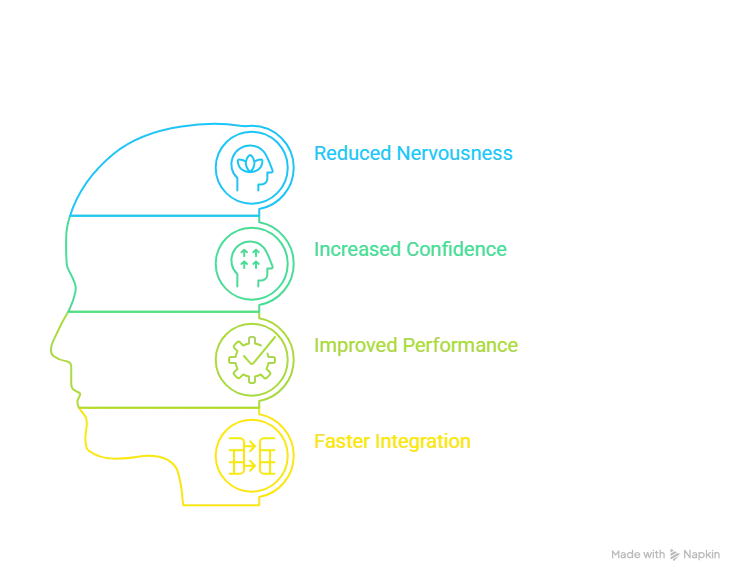
You Stop Being Nervous, Faster
Walk into your first job having already handled similar situations, and the panic that usually comes with “I’ve never done this for real” simply isn’t there.
You See How Messy Real Cases Get
Textbook cases are tidy. Real patients rarely read the textbook. Hands-on training is where you learn to work with the version of a case that doesn’t match the diagram.
You Learn to Talk to People, Not Just Treat Them
Explaining a procedure calmly, reading a worried patient’s body language, staying steady when things get tense — none of that comes from a lecture slide. It comes from doing it, badly at first, then better.
You Become Someone Worth Hiring Immediately
Recruiters notice candidates from a healthcare course with practical training precisely because they cost less time and money to bring up to speed.
How Sancheti Healthcare Academy Builds This In
Sancheti Healthcare Academy (SHA) in Pune is a good example of what this looks like in practice, largely because of where it sits. Being part of the Sancheti Hospital ecosystem means students train inside a working hospital, not a mock-up of one.
That means observing real procedures, shadowing professionals who do this every day, and getting guided hands-on practice instead of hearing about it secondhand.
If you’re comparing healthcare courses and trying to picture what practical exposure in healthcare should really involve, this is a fairly close template.
How to Actually Check If a Course Delivers Practical Exposure
Brochures say a lot. Before you enroll anywhere, ask a few pointed questions instead:
Is there real clinical or hospital time, or just classroom hours?
If the answer is vague, that’s usually the answer.
Are there skill labs or simulation sessions?
These let you fail safely before you’re anywhere near a real patient.
Who actually supervises the hands-on sessions?
It should be working professionals or experienced faculty, not a junior assistant reading off a checklist.
What do the people who’ve already graduated say?
Alumni are usually far more honest about this than any admissions page.
A few direct questions like these will tell you more than an entire glossy brochure will.
The Mistake Most Students Make
Most people compare courses on:
- Duration
- Fees
- How the certificate sounds on paper
Fair enough, those matter. But ranking them above the quality of hands-on training is backwards. A shorter course with serious clinical exposure will usually take you further than a longer one that’s mostly lectures.
Conclusion
You can’t learn healthcare entirely from a book and expect to sort out the rest later. The stakes are a little too high for that.
That’s the whole reason practical exposure matters so much when choosing a healthcare course. It’s what turns exam knowledge into the kind of judgment you actually need at a patient’s bedside.
If you’re weighing healthcare courses with practical exposure, spend less time on the marketing and more time on the training floor, the supervision, and the hospital access on offer. Sancheti Healthcare Academy is one clear illustration of how a healthcare course with practical training should be built: real hospital experience paired with real classroom teaching, not one instead of the other.
Look past the brochure. Check the training floor. That’s where the real course happens.